Collaborative Problem Solving in AI-Mediated Environments
Intel Labs · CAEAI 2025
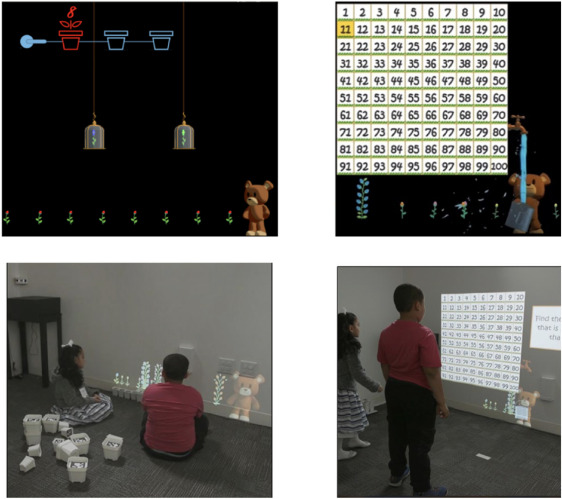
This study examines how a multimodal conversational AI system, Kid Space, supports collaborative problem solving among young learners through projected interaction, spoken dialogue, and physical activity.
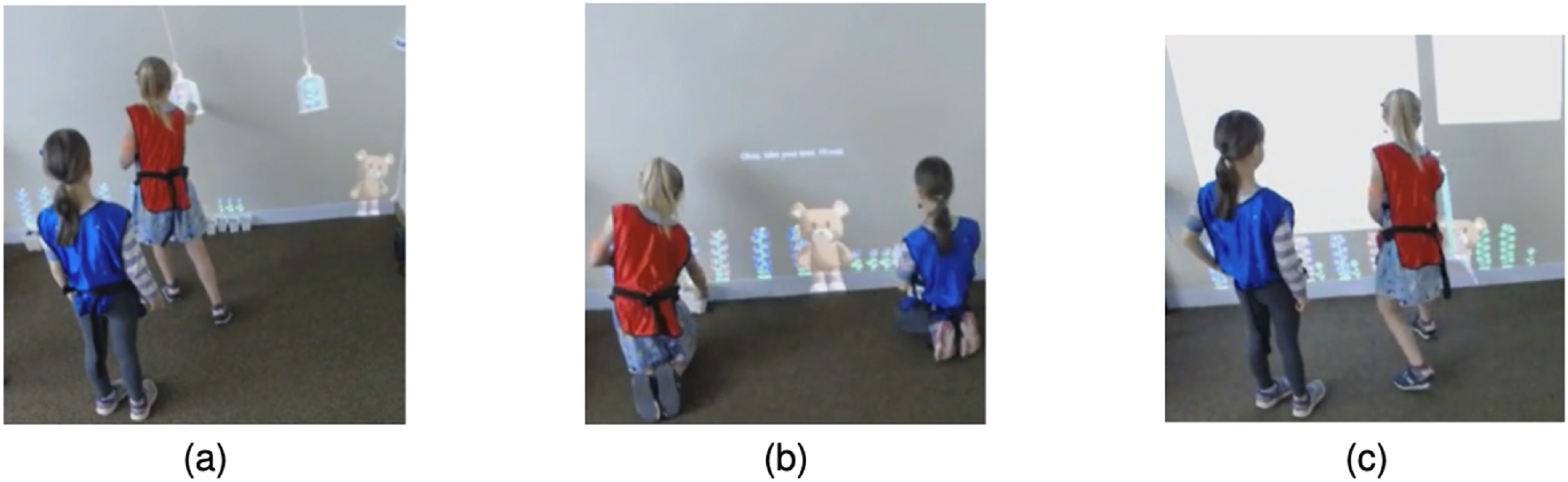
The study investigates whether a projected 3D environment with an animated conversational agent can enrich collaborative problem solving for young learners while still adapting to developmental needs.
What makes this study distinct is that it is not about solo prompting. It is about how AI, physical interaction, and peer coordination work together inside a shared learning environment.
Study Design
- Uses an exploratory case study to formatively evaluate children engaged with Kid Space.
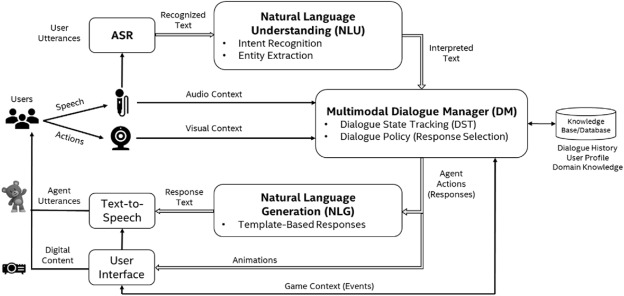
- Combines multimodal classroom sensing, projected virtual interaction, spoken dialogue, and pedagogical support.
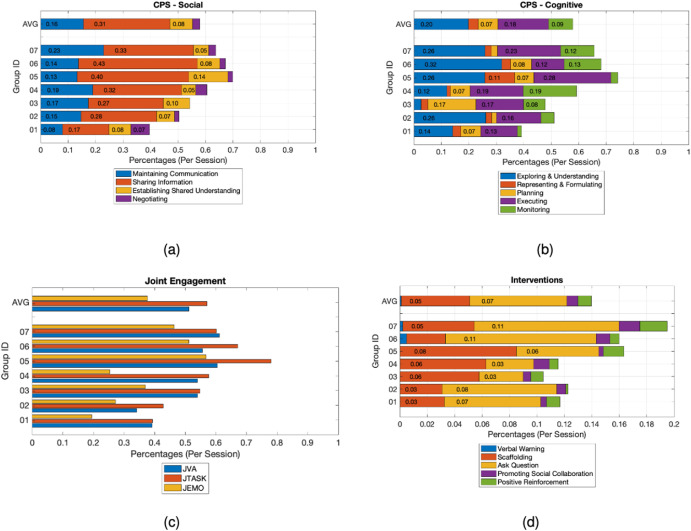
- Analyzes CPS-social, CPS-cognitive, joint engagement, and instructional interventions to inform design modifications.
Key Findings
- Findings show significant correlations between CPS behaviors and the joint engagement of students working together.
- The study also identifies meaningful relationships between CPS behaviors and pedagogical interventions provided by the instructional assistant.
- The takeaway is not that AI replaces collaboration, but that carefully designed AI environments can support CPS when they are developmentally and pedagogically tuned.
Image Gallery
Current Output
This project anchors a peer-reviewed paper and contributes a concrete early example of how conversational AI can be embedded into collaborative learning spaces for young learners, with analytics that help researchers and educators reason about process rather than only outcomes.