TicApp
Springer Chapter · Design-Based Research
TicApp is a mobile learning project for heritage Chinese learners that translates a concrete character-learning problem into a design solution through design thinking, cognitive load considerations, and iterative evaluation.

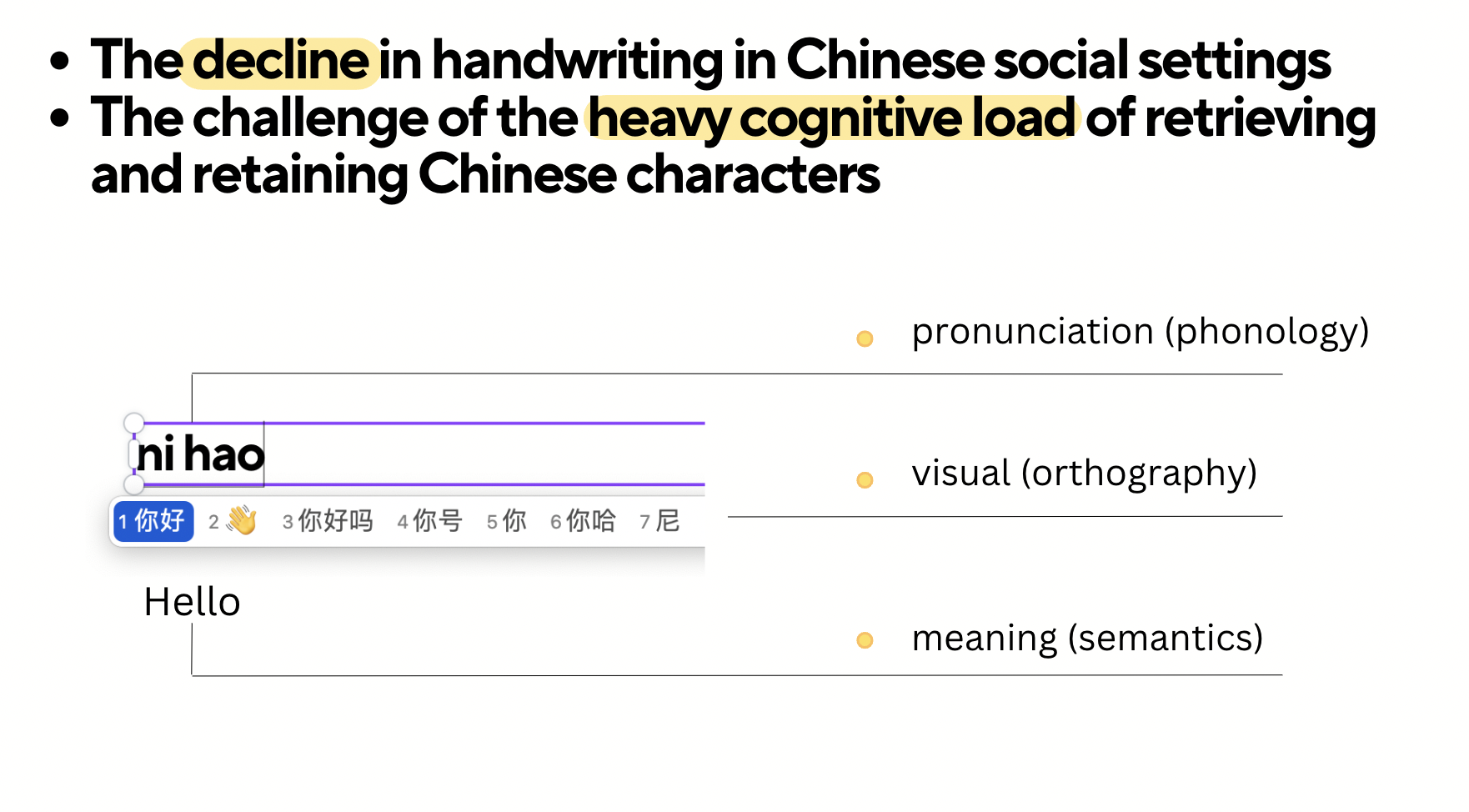
The project starts from a specific learner problem: many heritage Chinese learners can speak Chinese but struggle to retrieve, recognize, and type characters efficiently. Traditional instruction does not directly address that gap.
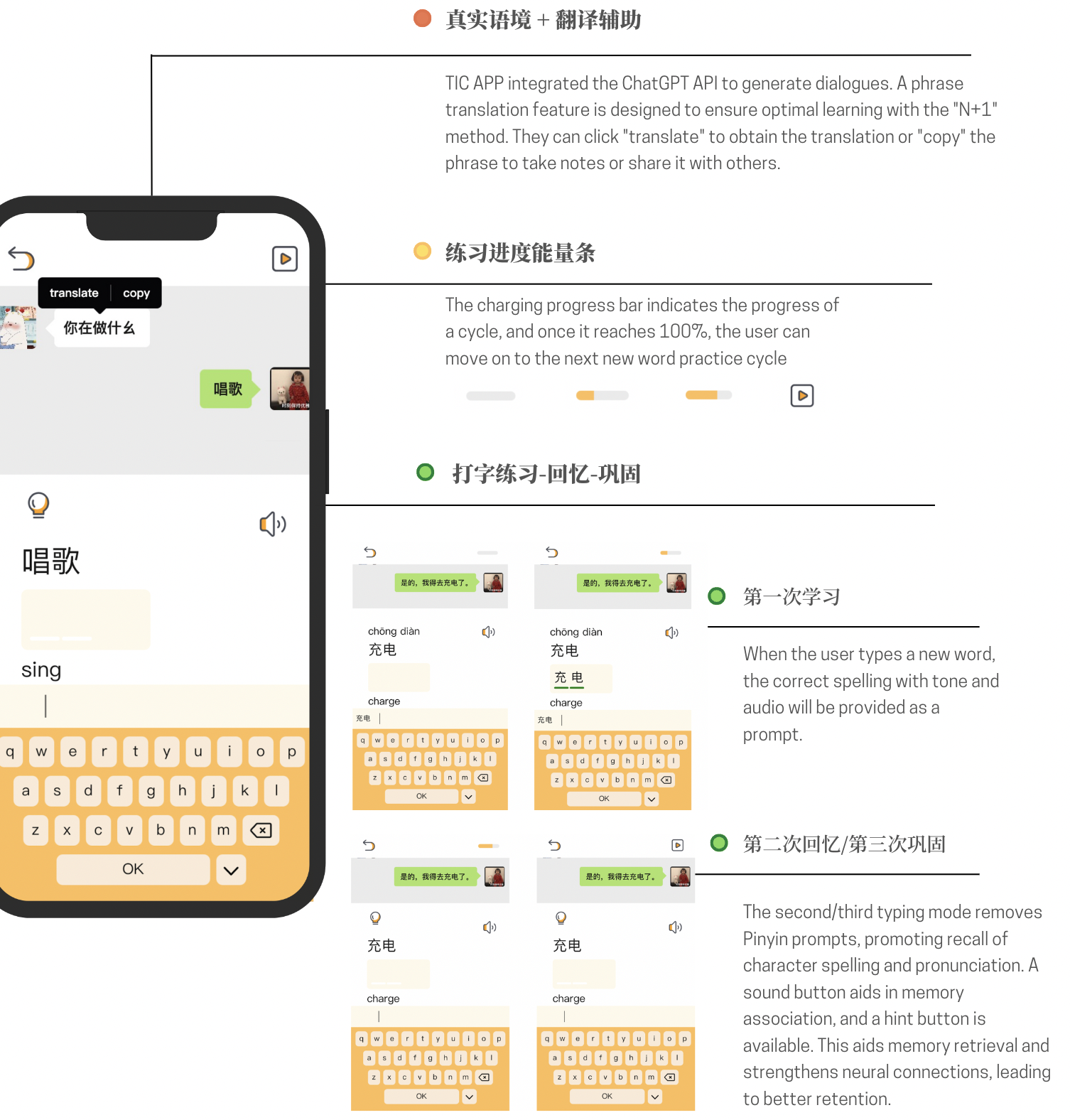
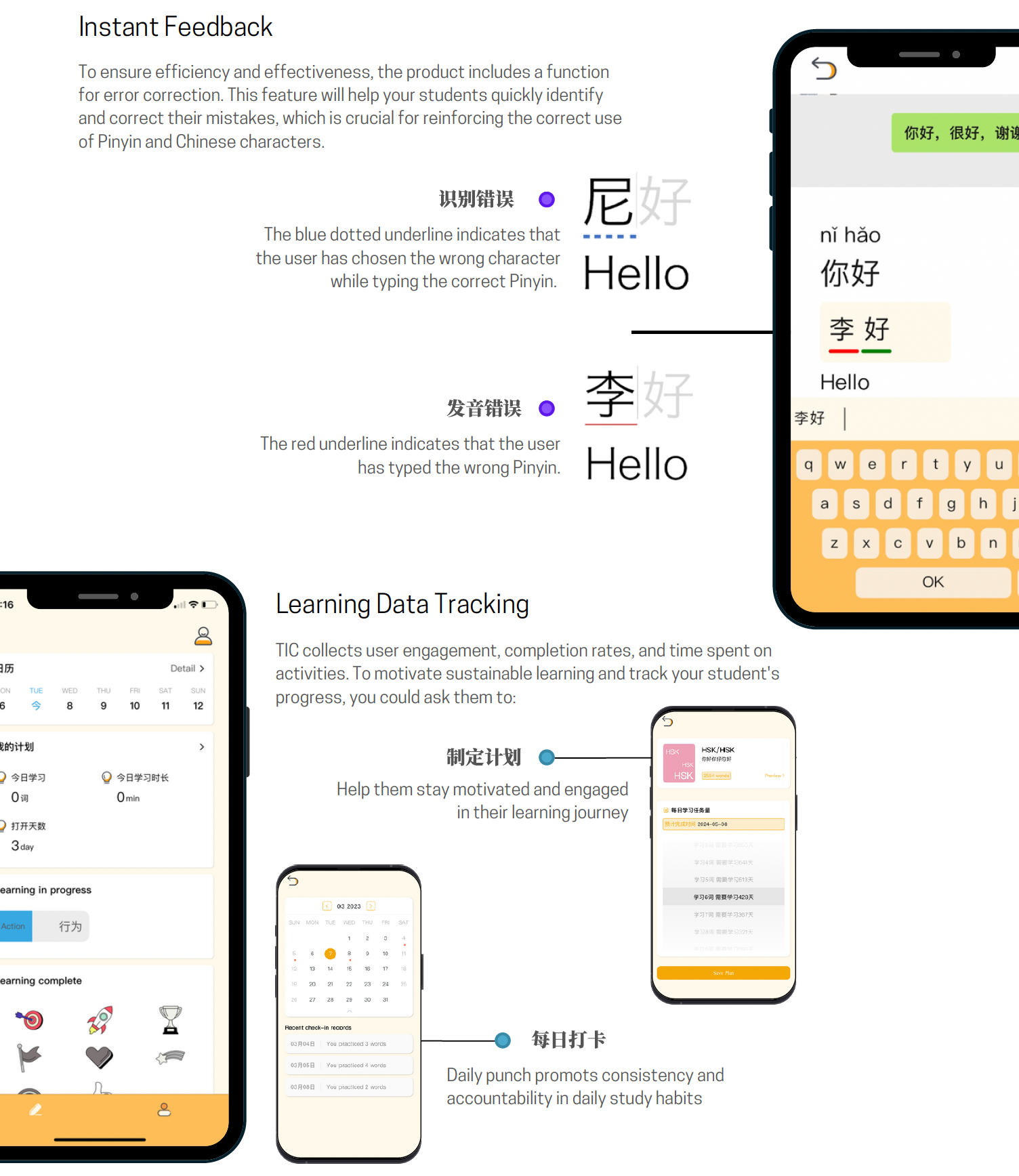
TicApp reframes character learning around typing as a cognitively meaningful learning action, not just an input method, and uses app design to make that process teachable and trackable.
Project Highlights
- Frames Chinese character learning as a heavy cognitive load problem involving phonology, orthography, and semantics.
- Uses Pinyin-based typing to integrate sound, form, and meaning in a single learner action.
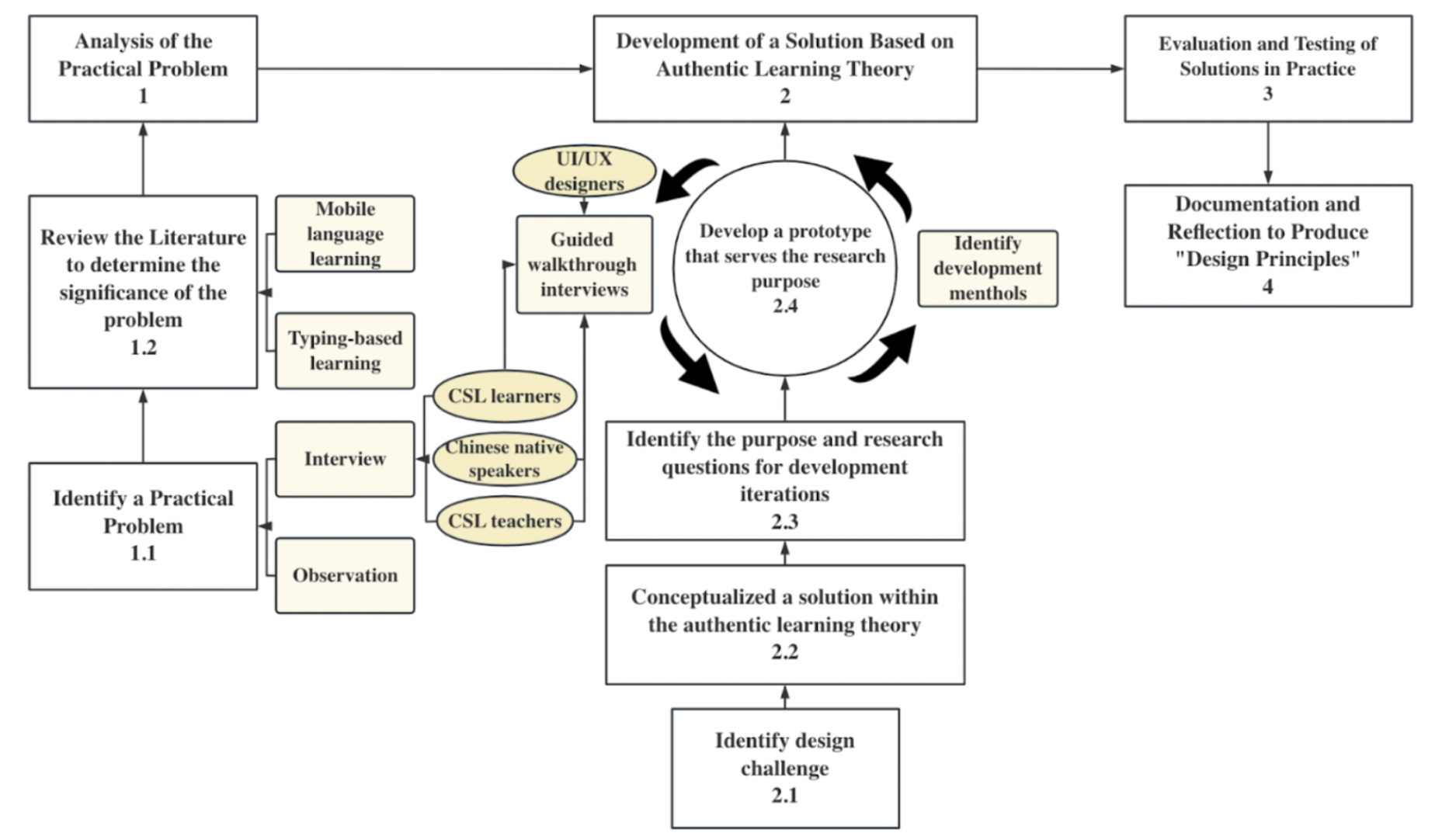
- Builds the system through design-based research with iterative feedback from authentic learner and teacher contexts.
Selected Artifacts
Outcome
TicApp demonstrates how a precise learning bottleneck can be translated into an app-based intervention with a clear methodological rationale, iterative design logic, and practical relevance for language learning.